Mapping the stakeholders of borealization in Iceland

Last January 29, 2026 Sarah Evan’s MSc was formally approved at the University of Helsinki. Sarah is the first NordBorN MSc student, and her thesis investigated the perspectives of Icelandic stakeholders on borealization. The title of Sarah’s thesis was: “The Borealisation of Icelandic Terrestrial Ecosystems: Mapping the Stakeholder Landscape”, and you can read a brief summary below. Congratulations Sarah!

Changes in climate and land-use are driving boreal species’ expansion upslope and poleward; this borealisation of terrestrial environments will have wide-ranging socio-ecological consequences. Continued research is needed for effective policy development that mitigates the more adverse consequences of borealisation. Yet it is equally crucial to engage with relevant stakeholders early on in research and decision-making processes.

Before engagement, stakeholders need to be first identified and prioritised. The thesis achieved this first step by (a) assessing current discourses and perspectives on borealisation through preliminary engagement (interviews), (b) identifying stakeholders’ positions toward borealisation according to their relative interest and salience, and (c) analysing the social network in which stakeholders interact.

The results of the thesis produced a refined selection of stakeholders with whom engagement should be prioritised. The identified stakeholders possess different perspectives on borealisation, and their input can ensure decisions effectively address borealisation’s localised consequences. The thesis also emphasised the importance of intermediaries able to accommodate for challenges in cross-communication and improve collaborative outcomes.

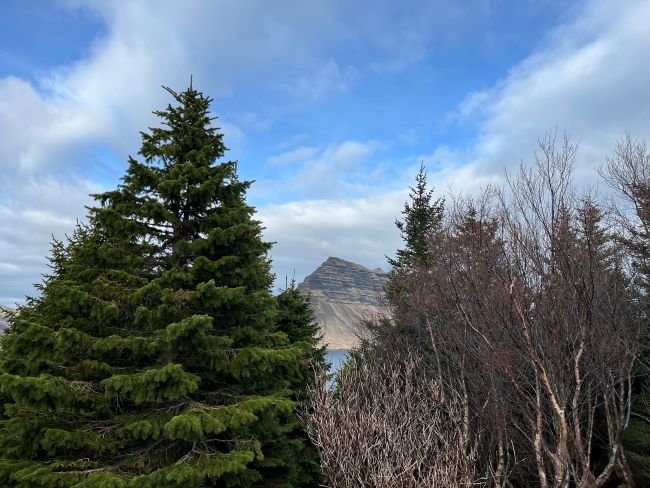
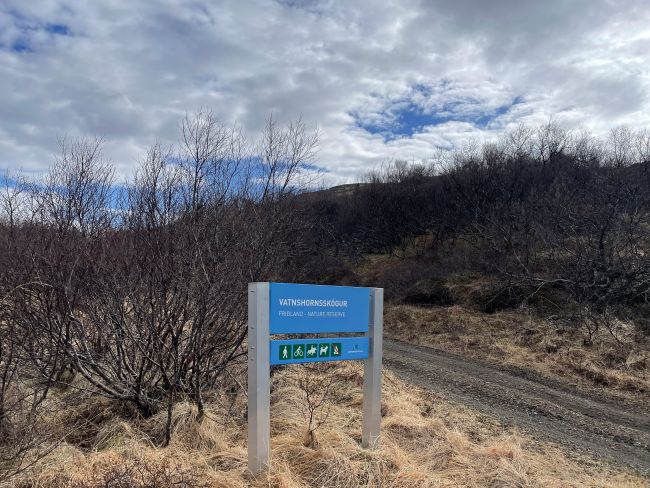
Vatnshornsskógur was one of the forested areas that came up in discussions about borealization with Icelandic stakeholders (photo credit Sarah Evans)

Borealization of tundra ecosystems with climate and land-use change

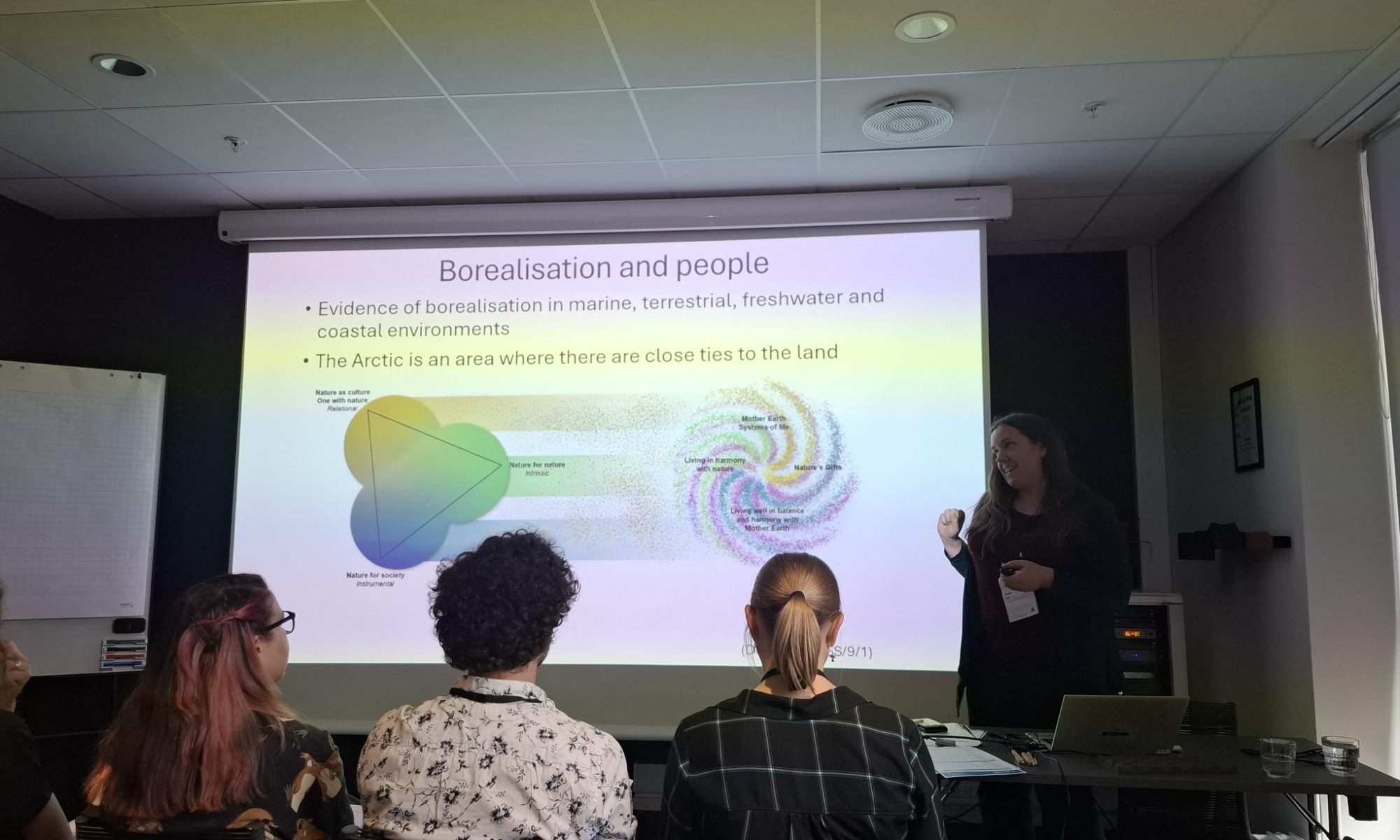
We are happy to start the new year with the publication of the first topical review from the Nordic Borealization Network, where we introduce the concept of tundra borealization to describe northward and upward shifts of boreal species into tundra ecosystems — a key yet still underrecognized dimension of climate-driven ecological change. 

In this synthesis, we: 

  • clarify how borealization is defined across disciplines and environments 
  • summarise evidence of plant and animal community changes in tundra systems 
  • review methods for quantifying borealization 
  • discuss how climate and land-use change drive species reorganization 

By bridging ecology, biogeography, climate science, and socio-ecological research, this work advances theoretical understanding of ecosystem responses to global environmental change. Given the implications for biodiversity, ecosystem functioning, climate feedbacks, and Arctic livelihoods, we hope it will support both research and adaptation efforts. 

Reference: Verdonen, M., Barrio, I. C., Barbero-Palacios, L., López-Blanco, E., Speed, J. D. M., Defourneaux, M., García Criado, M., Moullec, M. le, Mellard, J. P., Salazar, A., Bakke Westergaard, K., Guðmundsson, J., Schmidt, N. M., Sigurdsson, B. D., Austrheim, G., Bjorkman, A. D., Björnsdóttir, K., Jepsen, J. U., Pagneux, E. P., Trascau, B.M., Williamson, D.R., Aradóttir, Á.L., Barry, A., Bernard, T., Koivisto, E., Kumpula, T., Villoslada, M., Myers-Smith, I. H. (2026). Borealization of tundra ecosystems with climate and land-use change. Environmental Research Letters21(1), 013002. https://doi.org/10.1088/1748-9326/ae2e18 

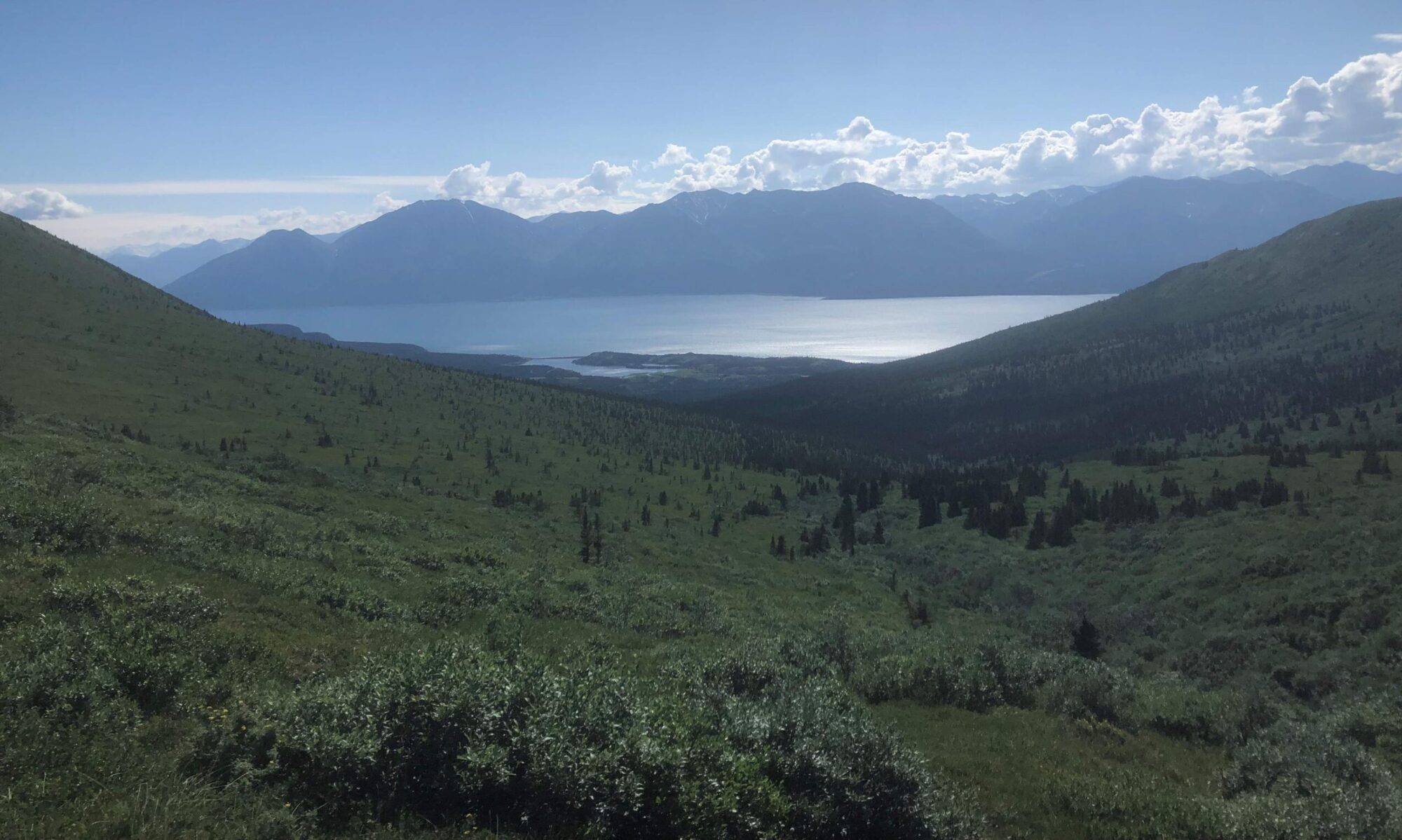
Photo: Birch trees growing on a ridge in Kilpisjärvi, Finland. Credit: Mariana García Criado

Researchers in Arctic Ecology and Environmental Social Science in Tromsø

Deadline: December 8, 2025

The Norwegian Institute for Nature Research (NINA) is recruiting up to four researchers or senior researchers within Arctic ecology and environmental social sciences. The positions are within NINA’s Department for Arctic and Coastal Ecology and located in Tromsø (at the Fram Centre for High North Research). 

You can find more information and how to apply here.