PhD position on hyperspectral remote sensing of tundra vegetation changes at the University of Gothenburg

Deadline: January 19, 2026

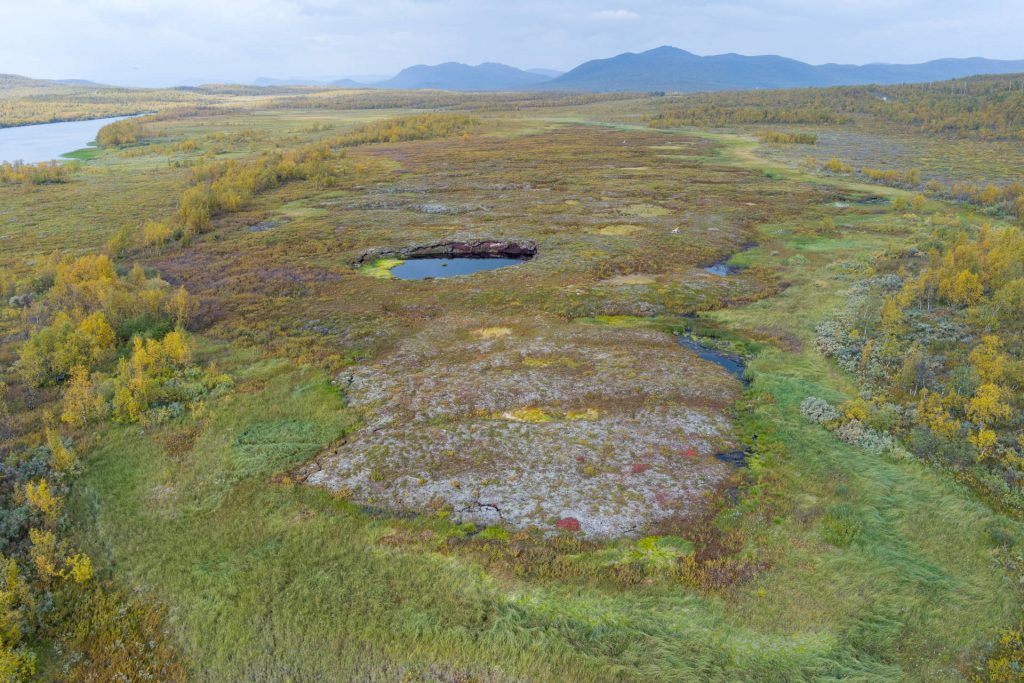
Tundra vegetation is being impacted by extreme climatic changes now influencing much of the Arctic. Increased temperatures, change in season length, and altered precipitation patterns affect plant health, biomass, and species composition. Satellite data are used to observe changes in tundra vegetation, and hyperspectral data have the potential to provide detailed insights into tundra vegetation’s biochemical and biophysical properties.

This PhD project aims to determine the utility of newly available hyperspectral satellite data to better understand and quantify biochemical and biophysical properties of tundra vegetation negatively impacted by changing climatic conditions. The study areas will be located in the Swedish tundra area. Research questions to be addressed are, for example, can biochemical and biophysical properties of tundra vegetation associated with a drier and warmer climate be detected using hyperspectral satellite data? Can hyperspectral satellite data be used to detect tundra plant diversity? Is there a benefit to synergistic use of data from hyperspectral and multispectral satellites?

The student will be placed at the Department of Earth Sciences. This PhD position is financed primarily by the Swedish National Space Agency. The PhD student’s specific research questions and approaches will be developed in collaboration with the supervisory team at the start of the PhD project.

More information can be found here: https://web103.reachmee.com/ext/I005/1035/job?site=7&lang=UK&validator=9b89bead79bb7258ad55c8d75228e5b7&job_id=38805

New paper on potential new alien plants across the Arctic

Invasive species are one of today’s main environmental challenges, implicated in biodiversity loss and causing huge ecological and economic costs. So far, the remote and cold Arctic tundra has been spared the worst impacts of invasive plants. However, increasing human activity and a warming climate together increase the chances for non-native plant introductions, and establishment. To facilitate monitoring and management of this challenge, NordBorN researchers including Kristine Westergaard and James Speed at the Norwegian University of Science and Technology, have carried out an horizon scan for potential non-native plants across the terrestrial Arctic. 

Starting with a list of globally invasive plants, they identified potential alien species as those with a climate overlap with today’s Arctic climate. They identified a total of 2554 new alien plant species that could potentially survive in the climatic conditions in the Arctic tundra. Some regions are identified as potential hotspots including western Alaska, southwestern and southeastern Greenland, northern Iceland, Fennoscandia, and Kanin–Pechora. The species that could potentially establish in the Arctic are widely distributed across the world. However, species with high latitude distributions (e.g. boreal species) had a higher likelihood and degree of climate overlap with the Arctic. The close geographical connection between the Arctic and boreal regions makes this area a key source for non-native species introductions to the Arctic. 

The number of potential new alien vascular plant species across the Arctic

The data-driven horizon scanning approach that is developed in this paper produces regionally-specific lists of risk species and source regions. These can help develop biosecurity, monitoring and rapid response measures, contributing to preserving the ecological integrity of the Arctic tundra into the future. 

Publication: Ulsted, T.H., Westergaard, K.B., Dawson, W., & Speed, J.D.M. (2025). Horizon scanning of potential new alien vascular plant species and their climatic niche space across the Arctic. NeoBiota104, 1-26. https://doi.org/10.3897/neobiota.104.165054

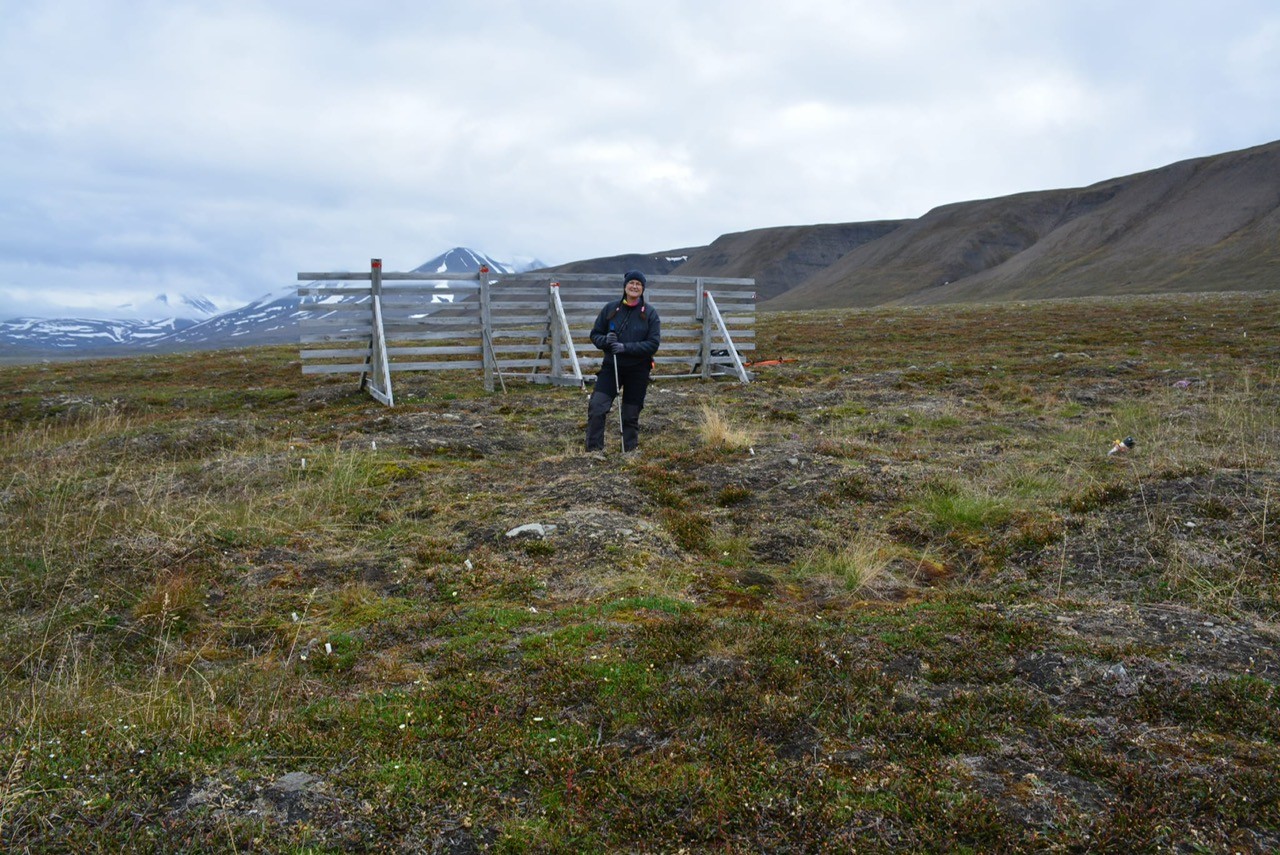
Photo: Alien Barbarea vulgaris growing on very disturbed substrates in Barentsburg, Svalbard. (Kristine Westergaard)

Two new NordBorN ECRs!

We are happy to welcome our new PhD researchers, Charlotte Wagner and Hans Meinhard í Eyðansstovu!

Charlotte began her PhD in October at the Agricultural University of Iceland. She has a degree in agricultural engineering with a specialisation in ecology and conservation of natural environments, which she obtained at the Institut Agro Dijon in France. Her PhD project aims to investigate how coexisting wild (reindeer, pink-footed goose) and domestic(sheep) herbivores partition food resource across different ecological and management context. To better understand the interspecific relationships and  identify potential competition between these herbivores, she will describe their diet composition and quality, as well as the availability of food resources to provide tools for grazing management.

Hans Meinhard recently started his PhD at the NTNU University Museum in Trondheim. He got his bachelor in Biological Ecology at the University of the Faroe Islands, after which he went on to take a masters in Biodiversity and Systematics (NABiS) at the University of Gothenburg, Sweden. He’s interested in the flora of Nordic, Arctic and Alpine regions where his main research interests are within Invasion Biology, Systematics and Biogeography. In his PhD work, Hans Meinhard is working on a project uncovering the genomic secrets behind the invasion of Barbarea vulgaris, an alien species in the Arctic.