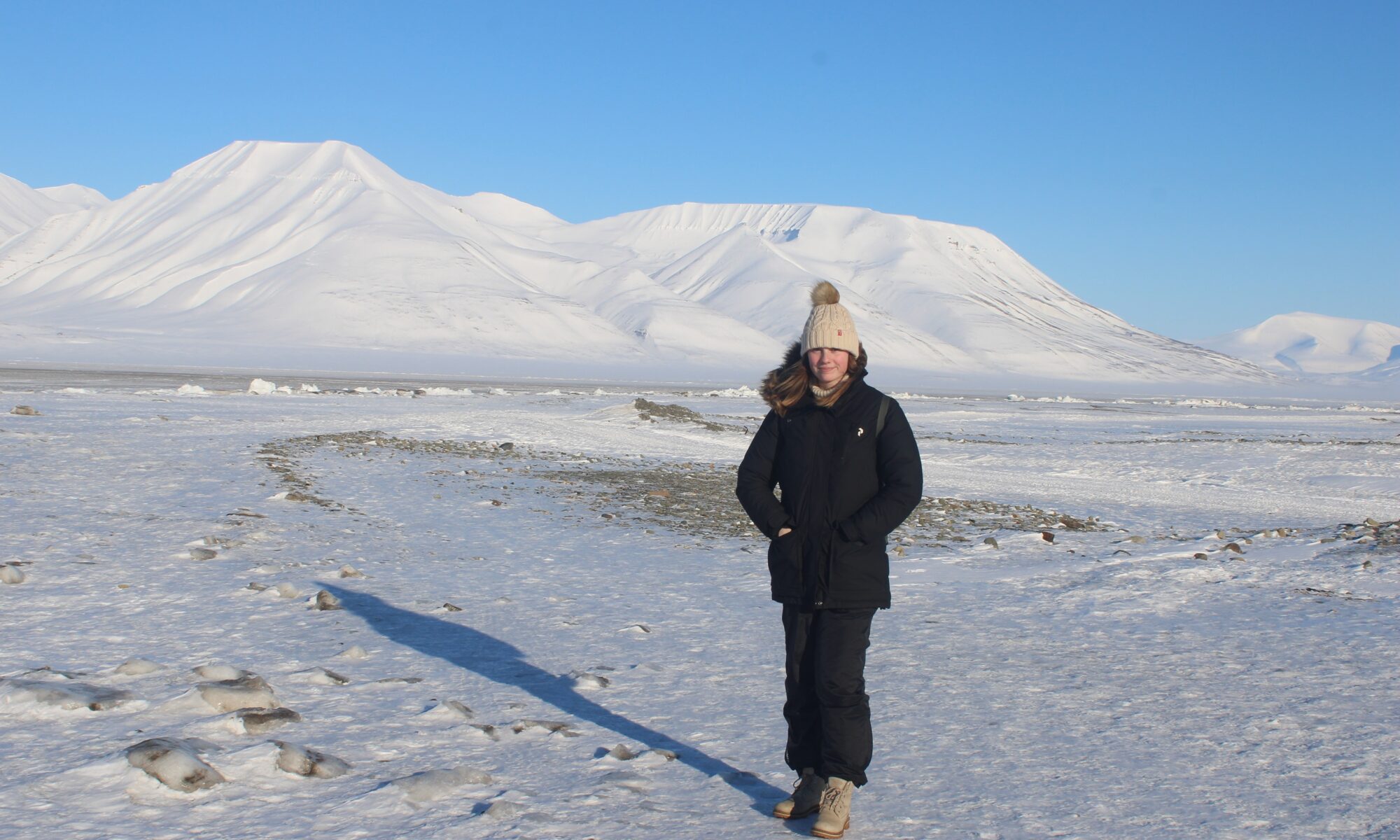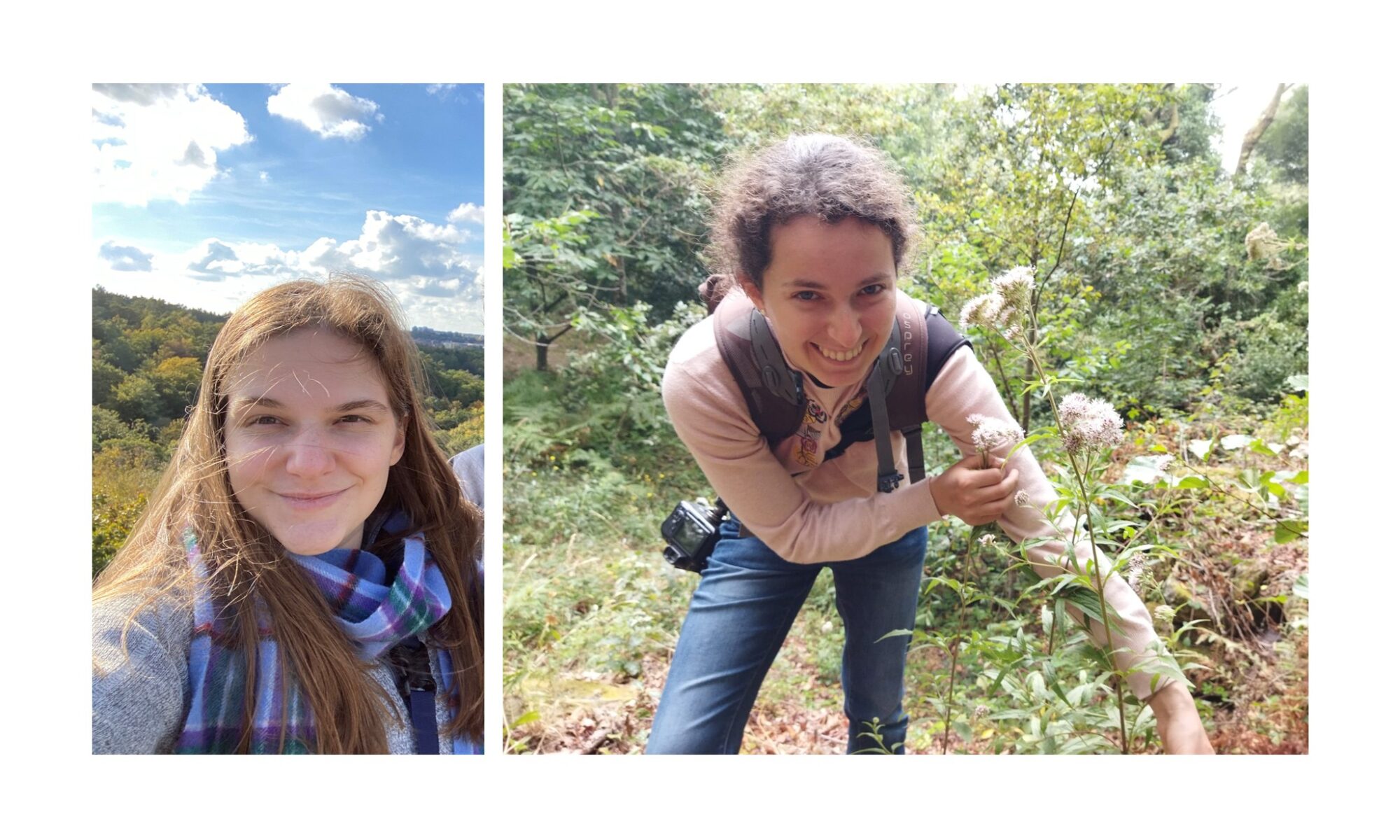

We are happy to welcome Sarah Evans to our network!
Sarah is enrolled in the Nordic Master’s Programme in Environmental Changes at Higher Latitudes (EnCHiL), offered jointly with the University of Helsinki and the Agricultural University of Iceland. With her focus on the societal implications of borealization, she will look at how the encroachment of boreal ecosystems affects local communities and relevant stakeholders. With a particular interest in utilising interdisciplinary research, she aims to contribute to a holistic approach that bridges the gap between environmental and socially driven perspectives.
We are excited to welcome two new members to our network, Alexandra Barry and Maria Pavolotskaia!
Alexandra began her PhD studies at the University of Gothenburg in early September 2024. She has a BSc in Biology and Psychology from Virginia Commonwealth University and an MSc in Forest Resources from the University of Maine (both in the United States). Her current research focuses on how warming and other environmental changes in the Arctic tundra drive changes in plant community productivity through shifts in functional traits and community assemblages. She will use a combination of growth chamber experiments and field observations to tackle this question.
Maria will start her PhD at the University of Gothenburg in April, supervised by Anne Bjorkman. She has a MSc in Biology with a focus on Ecology and Conservation from the University of Gothenburg. During her PhD, she will study how pollinator communities in northernmost Sweden have changed over the past decades following warming and how these changes relate to the pollination services they provide to plants. Her research will explore shifts in bumblebee community composition, the plants they rely on for pollen collection, and how these changes influence patterns of plant reproduction.
Team Shrub walking across a new thaw slump. Photo: Elias Bowman.
One postdoc will lead ITEX phenology syntheses including the integration of phenocam and below-ground data as a part of the Canada Excellence Research Chair Project on the global change ecology of northern ecosystems. The other postdoc will join the European Research Council Resilience project to look at spatial patterning in tundra ecosystems and how they might influence resilience in the face of global change.
There will be opportunities for fieldwork in the Canadian Arctic and potentially elsewhere as a part of both of these positions. The two postdocs will join the teams for these two projects based at the University of British Columbia and will have the opportunity to work with collaborators in North America and Europe and across the ITEX network. These postdocs will join current UBC postdoc Jeremy Borderieux who is leading new data syntheses with the ITEX plant composition data focusing on community assembly and spatial patterning as a part of the Resilience Project and the recruited Tundra Time postdoc at the University of Edinburgh (see below).
You can check out the positions and apply at the following links: