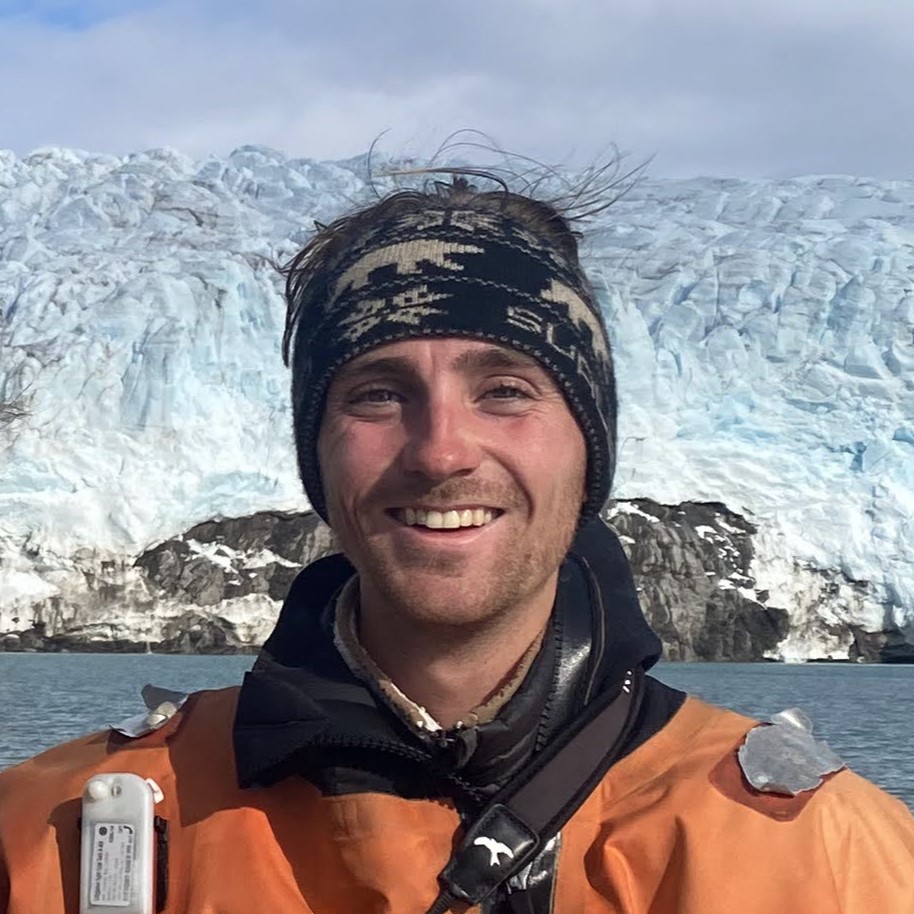
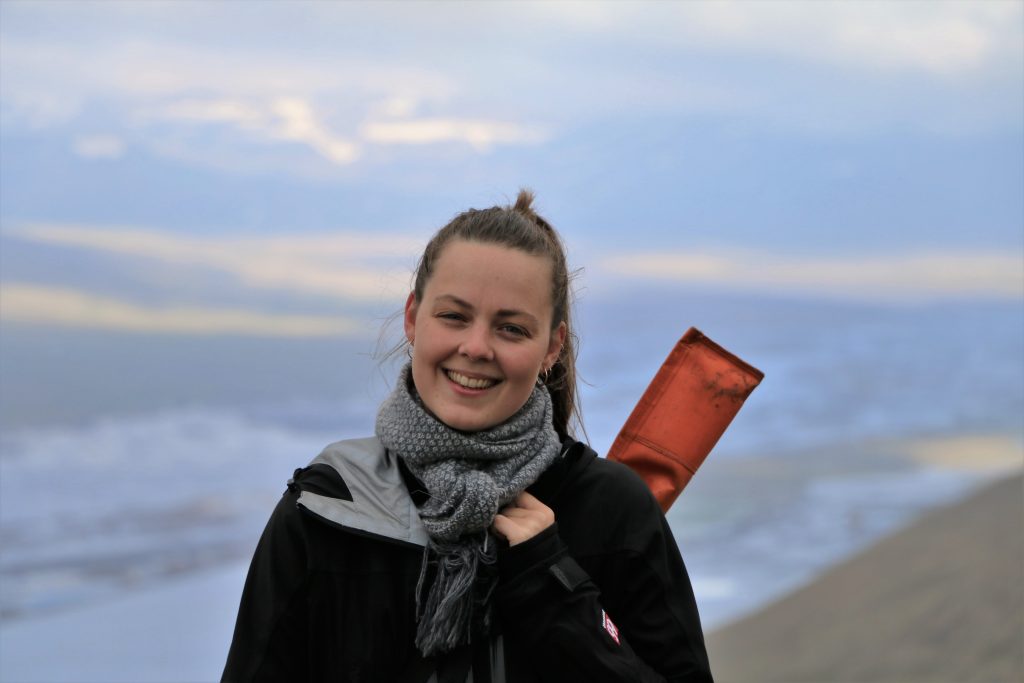
Arthur Grand joins NordBorN!

Arthur started his PhD in April at the Agricultural University of Iceland. He holds a MSc degree in alpine ecology from the Savoie Mont-Blanc University in France. Since completing his master’s thesis at the Greenland Institute of Natural Resources in 2024, Arthur has been involved in different projects about the effects of Arctic climate change on herbivore diet quality, mainly in Greenland and Svalbard. Arthur’s PhD project is framed within the TUNDRAdiet project, funded by the Icelandic Research Fund. The PhD project aims to investigate the diet composition and quality of large Arctic herbivores in Iceland and Greenland (reindeer/caribou, muskox and sheep). One of the goals is to compare different methods to develop tools to assess different aspects of herbivore diets in tundra ecosystems. Additionally, the project will anticipate how the increasingly frequent winter rain-on-snow events affect diet quality of Arctic herbivores. The findings will help inform management advice on how reindeer, muskox and sheep partition resources in a shared landscape and how this can be altered by climate change.

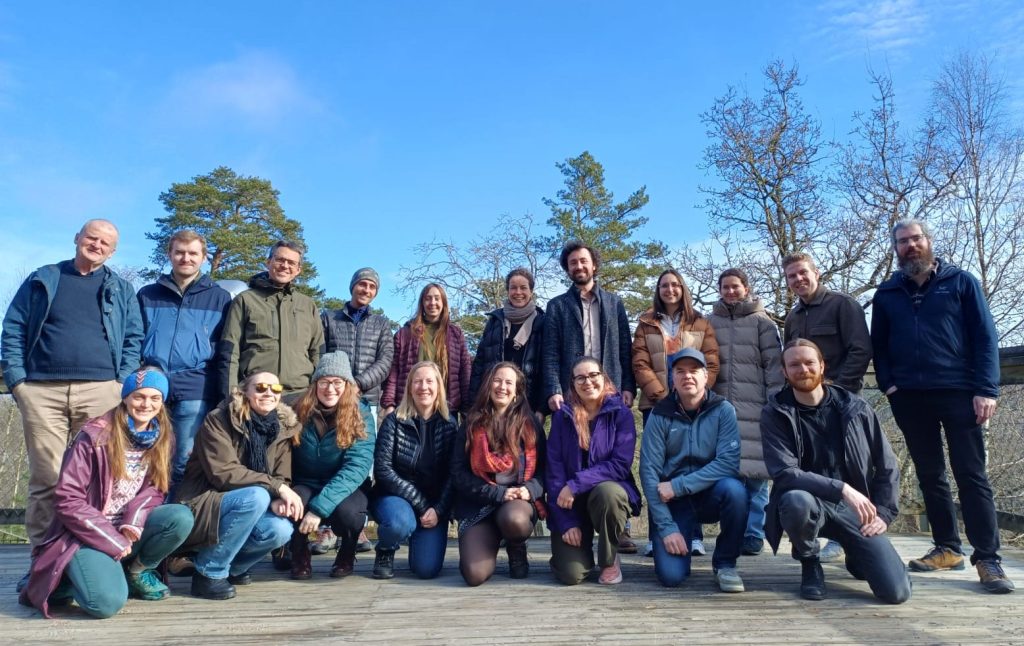
3rd Annual NordBorN meeting at Nordens Ark

Last week the 3rd annual NordBorN meeting at Nordens Ark in Sweden took place, organized by our Swedish colleagues, Mariana, and Isabel. It was a nice mix of catching up on each other’s work, brainstorming future research ideas, and a guided tour of the wildlife park and its conservation projects. We want to thank Heather Reese for a very interesting workshop on remote sensing!

Mapping the stakeholders of borealization in Iceland

Last January 29, 2026 Sarah Evans’ MSc was formally approved at the University of Helsinki. Sarah is the first NordBorN MSc student, and her thesis investigated the perspectives of Icelandic stakeholders on borealization. The title of Sarah’s thesis was: “The Borealisation of Icelandic Terrestrial Ecosystems: Mapping the Stakeholder Landscape”, and you can read a brief summary below. Congratulations Sarah!

Changes in climate and land-use are driving boreal species’ expansion upslope and poleward; this borealisation of terrestrial environments will have wide-ranging socio-ecological consequences. Continued research is needed for effective policy development that mitigates the more adverse consequences of borealisation. Yet it is equally crucial to engage with relevant stakeholders early on in research and decision-making processes.

Before engagement, stakeholders need to be first identified and prioritised. The thesis achieved this first step by (a) assessing current discourses and perspectives on borealisation through preliminary engagement (interviews), (b) identifying stakeholders’ positions toward borealisation according to their relative interest and salience, and (c) analysing the social network in which stakeholders interact.

The results of the thesis produced a refined selection of stakeholders with whom engagement should be prioritised. The identified stakeholders possess different perspectives on borealisation, and their input can ensure decisions effectively address borealisation’s localised consequences. The thesis also emphasised the importance of intermediaries able to accommodate for challenges in cross-communication and improve collaborative outcomes.

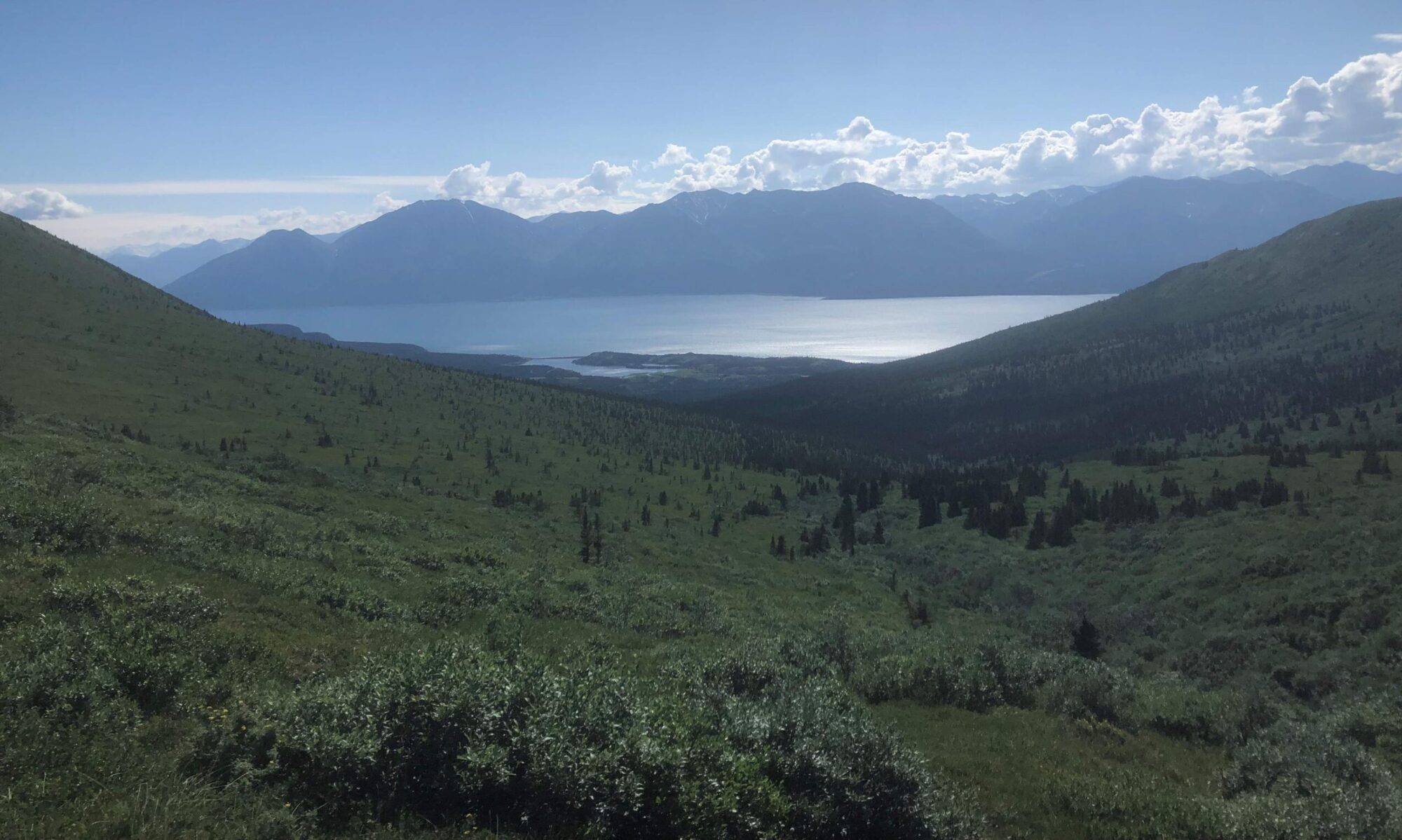
Vatnshornsskógur was one of the forested areas that came up in discussions about borealization with Icelandic stakeholders (photo credit Sarah Evans)

Sarah’s thesis is also openly available here.